Exploring the historical and cultural roles of casinos in society
The Origins of Casinos
The concept of casinos dates back to the early days of gambling, with origins traced to ancient civilizations. Historical records indicate that games of chance were prevalent in China around 2300 BC, with various forms of gambling evolving in Rome and Greece. These early iterations of gaming were primarily for entertainment and social interaction, establishing a foundation that would eventually lead to the development of modern casinos. The interplay between chance and skill created a cultural phenomenon that resonated across different societies.
As gambling became a staple of social gatherings, dedicated venues began to emerge. The term ‘casino’ itself is derived from the Italian word ‘casa,’ meaning house, indicating a place for social activities. By the 17th century, gambling houses known as ‘ridotti’ became popular in Venice, where elite members of society engaged in games of chance. This shift toward organized gaming laid the groundwork for the glitzy casinos we recognize today, providing a glimpse into how gambling evolved from casual pastime to formal institution.
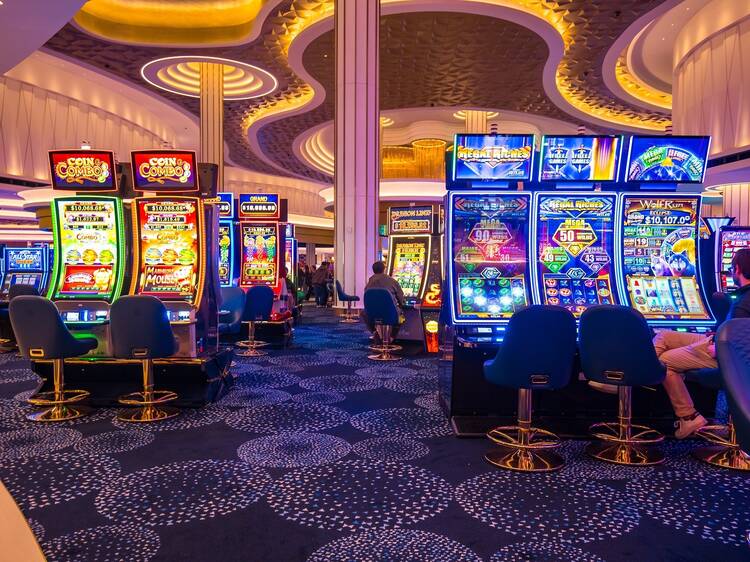
The rise of casinos in Europe during the 18th century marked a significant turning point in gambling history. The establishment of places like the Casino di Venezia and the Monte Carlo Casino popularized refined gambling experiences, attracting the wealthy and influential. This era highlighted the relationship between gambling and social status, with casinos serving as symbols of luxury and sophistication. The cultural significance of casinos began to take shape as they transformed into hubs of entertainment and leisure, reflecting the evolving values of society.
The Role of Casinos in Culture and Society
Casinos have long played a multifaceted role in culture and society, acting as centers for entertainment, social interaction, and even economic development. These venues often serve as cultural landmarks, offering a blend of gaming, dining, and live entertainment that attracts diverse crowds. The allure of the casino experience extends beyond the games themselves; it’s about the ambiance, socializing with others, and sharing moments of excitement. This dynamic creates a unique cultural experience that is hard to replicate in other settings.
The impact of casinos on local economies cannot be overstated. They generate employment opportunities, drive tourism, and contribute significantly to regional tax revenues. In areas where casinos are established, local businesses often flourish as a result of increased foot traffic. Cities like Las Vegas and Atlantic City are prime examples of how casinos can transform urban landscapes, attracting millions of visitors each year and fostering a culture centered around entertainment and leisure activities.
Moreover, casinos frequently intersect with local traditions and festivities, showcasing how gambling can be integrated into broader cultural narratives. For example, various regions have developed their unique gaming styles, rules, and themes that reflect local heritage. This interplay between casinos and cultural identity can foster community pride and cohesion, as residents take ownership of their local gaming establishments and celebrate their contributions to the social fabric.
The Evolution of Casino Gaming
The evolution of casino gaming has been profoundly influenced by technological advancements and changing societal attitudes toward gambling. The introduction of electronic gaming machines in the 20th century revolutionized the industry, making games more accessible and appealing to a broader audience. This technological shift also marked the transition from traditional table games to a diverse array of gaming options, including video slots and electronic poker. These innovations have not only transformed how people engage with gaming but have also reshaped the design and atmosphere of casinos.
Furthermore, the rise of online gaming has dramatically changed the landscape of casinos. With the advent of the internet, players can now experience casino games from the comfort of their homes, accessing a vast array of games at their fingertips. This shift has led to the emergence of online platforms that offer similar social experiences through chat features and live dealer games. As a result, the gambling community has expanded, accommodating varying preferences and lifestyles while maintaining a connection to the traditional casino experience.
The cultural acceptance of gambling has also evolved over time, with many societies recognizing it as a legitimate form of entertainment. This shift has prompted regulators to establish frameworks that promote responsible gaming and protect consumers. The balance between providing a fun experience and ensuring player safety has become essential as casinos navigate the complexities of modern gambling. The evolution of gaming continues to reflect changing attitudes, making casinos a fascinating subject of study in contemporary society.
The Influence of Casinos on Popular Culture
Casinos have significantly influenced popular culture, permeating various forms of media and artistic expression. From classic films like “Casino Royale” to modern television series showcasing high-stakes gambling, casinos have captivated audiences and inspired narratives that explore themes of risk, reward, and moral dilemmas. These portrayals often highlight the glamorous and thrilling aspects of casino life, shaping public perception and curiosity about the gambling world.
Music and literature have also been influenced by the allure of casinos. Songs celebrating the excitement of gambling and the lifestyle associated with it resonate with listeners, while literary works often delve into the complexities of addiction and the thrill of chance. This rich cultural tapestry underscores how casinos transcend mere gaming establishments, becoming symbols of aspiration, adventure, and the human experience in the face of uncertainty.
The symbiotic relationship between casinos and popular culture highlights their role as cultural phenomena that capture societal interests and fears. They act as mirrors reflecting the values and anxieties of their time, exploring the intersection of wealth, power, and personal choice. As such, casinos are not just venues for games; they are significant cultural icons that encapsulate the essence of risk-taking and the complexities of the human condition.
Exploring TuffPuff Casino
As the landscape of gaming continues to evolve, online platforms like Casino emerge as key players in the industry. Launched in 2026, Casino offers an extensive selection of over 3,000 games from leading providers, catering to a diverse audience. This modern online gaming platform reflects the ongoing transformation of casinos, emphasizing convenience, variety, and user engagement. Players can enjoy everything from slots and table games to live dealer experiences, making it a comprehensive destination for entertainment.
In addition to its vast game offerings, Casino distinguishes itself with tailored welcome packages and a commitment to responsible gaming. The platform’s dedication to player satisfaction is evident in its regular promotions and loyalty rewards, fostering a community where players feel valued and engaged. The user-friendly design and 24/7 customer support further enhance the gaming experience, ensuring that players have access to assistance whenever needed.
Ultimately, Casino represents the future of online gaming, merging tradition with innovation. By prioritizing player experience and offering a wide range of gaming options, it encapsulates the evolving nature of casinos in society. As more individuals turn to digital platforms for entertainment, Casino stands at the forefront of this exciting development, shaping the next chapter in the rich history of gambling.
Deixe um comentário